Screening
The doctor reviews your health, medicines and reasons for wanting NAD+.
NAD+ is a molecule every cell uses to turn food into energy, and interest in it has grown with longevity research. Here is a plain explanation of NAD+, how an infusion feels, what the science does and does not show, and who should avoid it.
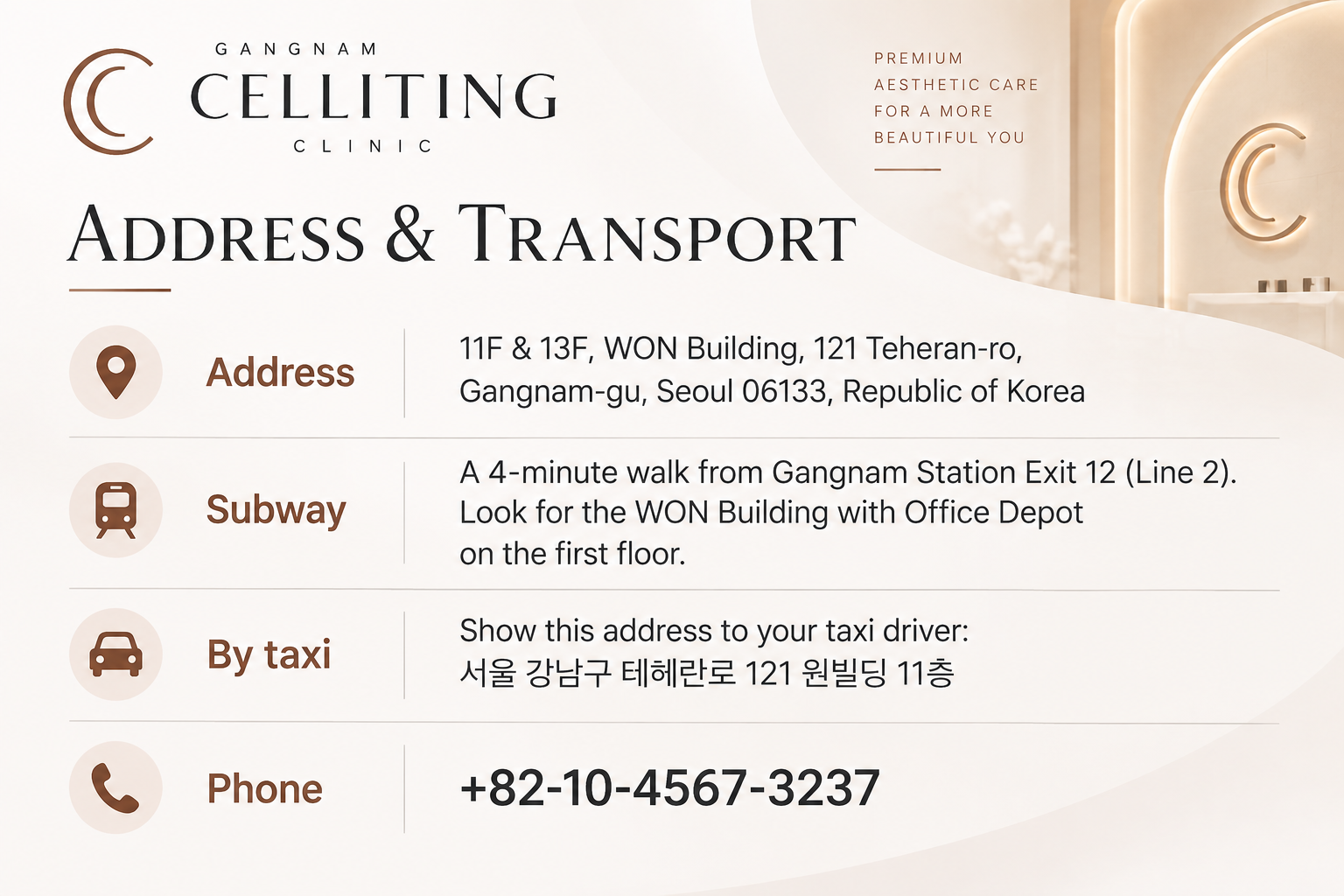
Gangnam Celliting Clinic · 121 Teheran-ro, Gangnam-gu, Seoul · Gangnam Station Exit 12 (4-min walk)
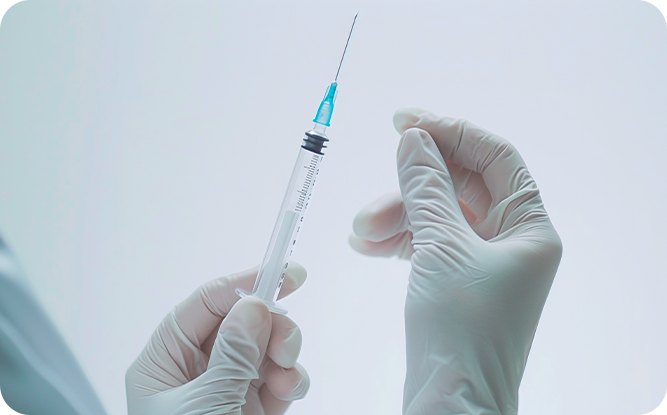
NAD+ (nicotinamide adenine dinucleotide) is a coenzyme your cells need to produce energy, and research suggests its levels tend to fall with age. NAD+ IV therapy at Gangnam Celliting Clinic in Gangnam, Seoul gives NAD+ by slow infusion after medical screening. Human evidence for anti-aging benefits is still limited, so it is offered as a wellness option, not a proven treatment.
NAD+ helps cells convert nutrients into usable energy and supports enzymes involved in DNA repair and cell maintenance. Without enough NAD+, these processes slow down.
NAD+ carries electrons in the reactions that make ATP, the cell's energy currency.
Enzymes such as sirtuins and PARPs, studied in ageing research, depend on NAD+.
The body makes and recycles NAD+ all the time from vitamin B3-related building blocks.
Studies, mostly in animals and some in humans, suggest NAD+ levels decline with age, possibly because more NAD+ is used up by repair and inflammation-related enzymes while production slows. This is why NAD+ has become a focus of longevity research.
NAD+ is given slowly because a fast infusion can cause uncomfortable sensations. Many people feel little; others notice short-lived effects that ease when the drip is slowed.
| Sensation | What it is like | What staff do |
|---|---|---|
| Flushing or warmth | Heat in the face or body | Slow the rate |
| Chest or stomach pressure | A tight or heavy feeling | Slow or pause the drip |
| Nausea | Mild queasiness | Slow the rate; offer rest |
| Arm discomfort | Ache along the vein | Check the cannula |
Session length depends on the dose and protocol, so the clinic confirms it when you book. Bring something to read and plan a calm afternoon.
Not yet. Laboratory and animal studies are promising, and small human studies show NAD+ levels can be raised, but large, long-term trials showing anti-aging benefits from NAD+ IV are lacking. Some people report feeling more energetic; others notice no difference.
At Celliting, NAD+ is one optional part of a broader plan; see our longevity IV therapy and Korea longevity clinic pages for how it can fit.
Suitability is a medical decision made by your doctor after an in-person consultation and review of your health history.
The doctor reviews your health, medicines and reasons for wanting NAD+.
Benefits and the limits of current evidence are explained before you agree.
The infusion begins gently and is adjusted to how you feel.
Staff check on you and slow the drip if flushing or pressure appears.
Rest briefly, drink water and note how you feel over the next days.
No serious complication since 2007. FDA/KFDA-cleared devices and verifiable, genuine consumables.
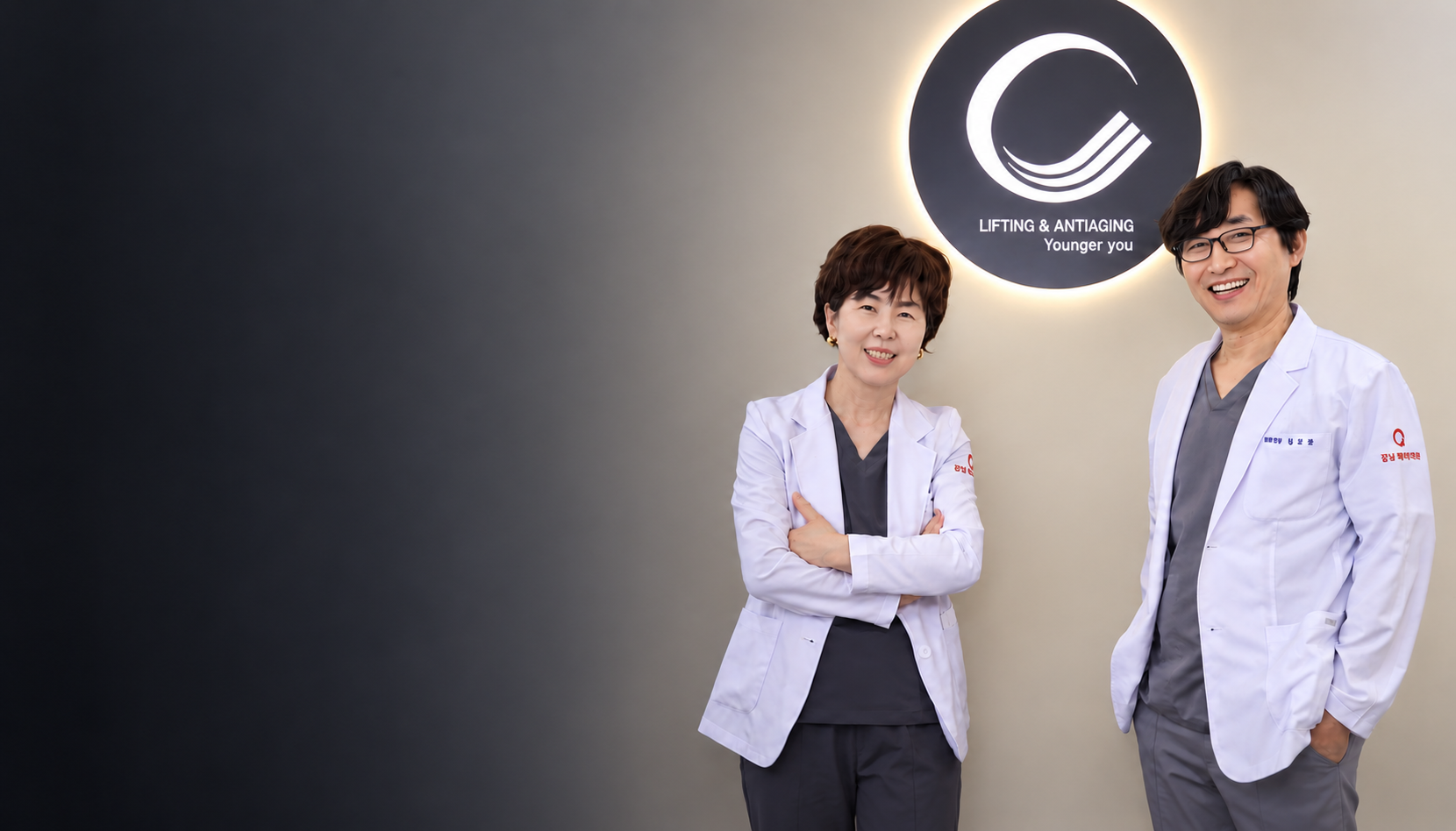
Dr. Ho-chan Kim and Dr. Young-mi Rhee personally consult and treat. Nothing is handed off.
Named an Advanced Regenerative Medicine Institution by the Ministry of Health and Welfare in June 2026.
Because a slow NAD+ infusion takes longer than most drips, book it on a day without tight plans and not right before a long flight. Many visitors schedule it mid-trip in Gangnam, Seoul, after jet lag has eased. Bring a list of your medicines, translated if possible. The team explains the process in English, Chinese, Japanese or Vietnamese, and you can message on WhatsApp after you return home.
Reviewed by Dr. Ho-chan Kim, MD, PhD · Updated October 2026
No. NAD+ is made in the body from vitamin B3-related compounds such as niacin and nicotinamide, but it is a different molecule. NAD+ IV gives NAD+ itself, while B3 supplements provide building blocks the body converts.
Because giving it quickly can cause flushing, chest pressure or nausea. A slower rate makes the infusion more comfortable. The exact time depends on dose and protocol, which the clinic confirms when you book.
Some people say they feel more alert; others notice no change. Responses vary, and there is no reliable way to predict yours. It is best to try it without fixed expectations and discuss how you felt with the doctor.
Oral precursors such as nicotinamide riboside are widely studied and sold. They work differently from an IV and also have limited long-term human evidence. Ask the doctor which approach, if any, suits your goals.
Pregnant or breastfeeding women, people under active cancer treatment without their specialist's approval, and those with significant organ disease or past reactions should avoid it or seek careful advice. Screening decides suitability for everyone else.
Share your health history and goals through the consultation form or WhatsApp, and the doctor will explain whether NAD+ makes sense for you.
Medical information on this page is provided by Gangnam Celliting Clinic and reviewed by our medical directors. It is not a substitute for an in-person medical consultation. Individual results vary, and all procedures carry potential risks and side effects that your doctor will explain before treatment.
From skin lifting and stem cell treatments to regenerative skin care, our two MD-PhD directors plan every treatment personally. Send us your questions and travel dates.
Everything you need to plan a treatment trip to Seoul




How to find us
WhatsApp :
+82-10-4567-3237
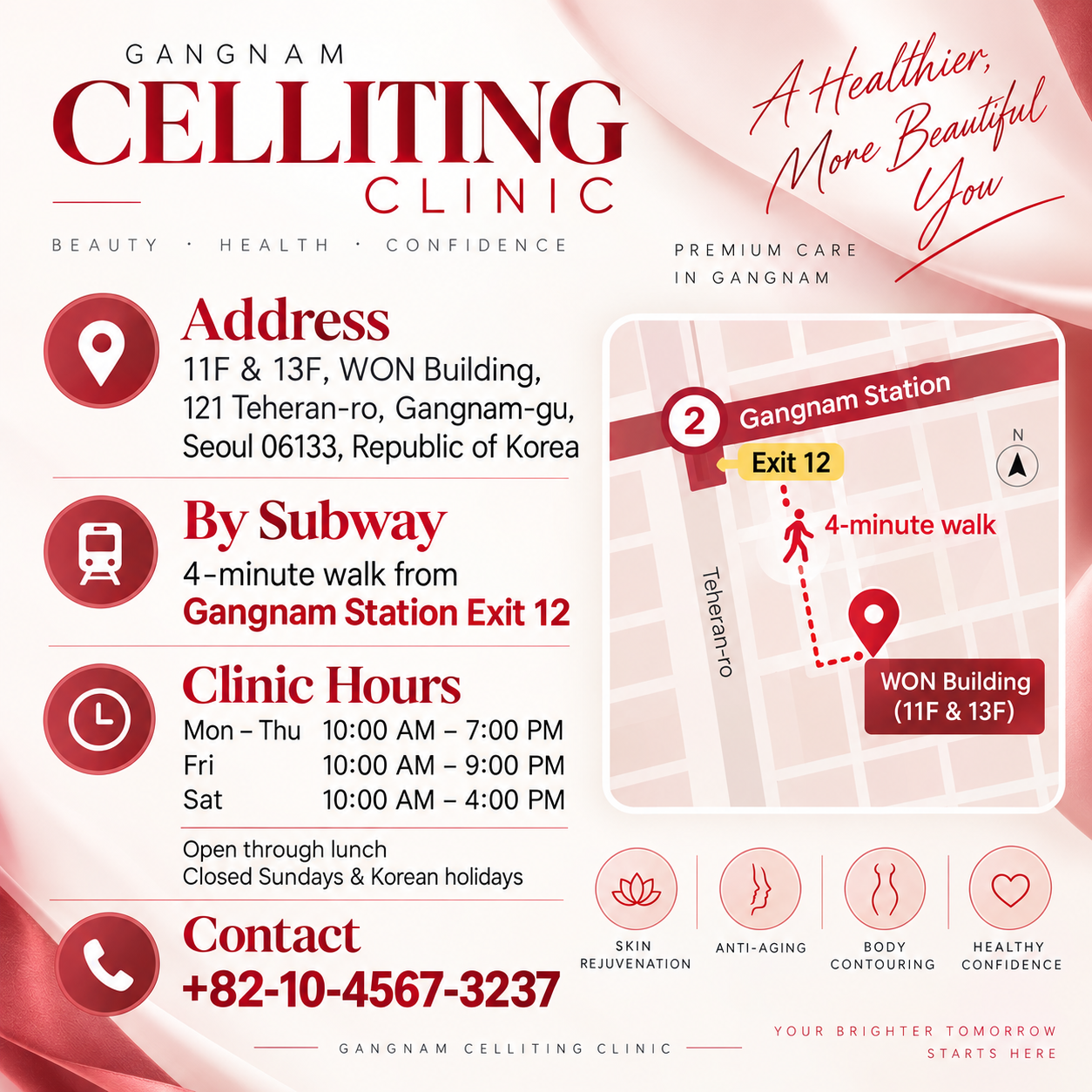
Address : 11F & 13F, WON Building, 121
Teheran-ro, Gangnam-gu, Seoul 06133, Republic of Korea
Gangnam Station, Exit 12