Skin and face analysis
The doctor assesses surface quality, laxity and volume layer by layer.
Exosomes work best as one part of a longer anti-aging plan. See where they sit beside lifting devices and stem cell care, how plans differ in your 30s, 40s and 50s+, and what results are realistic.
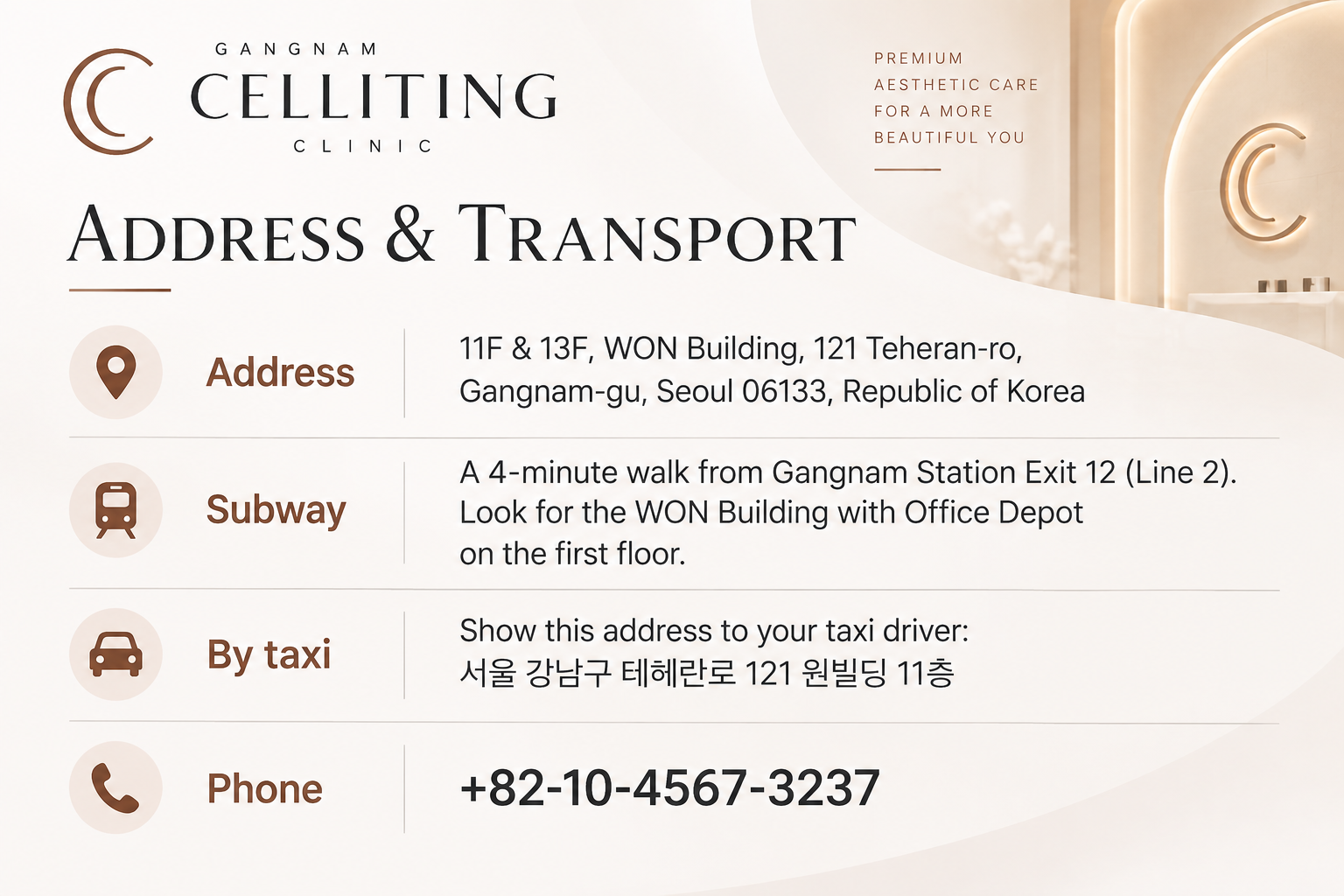
Gangnam Celliting Clinic · 121 Teheran-ro, Gangnam-gu, Seoul · Gangnam Station Exit 12 (4-min walk)
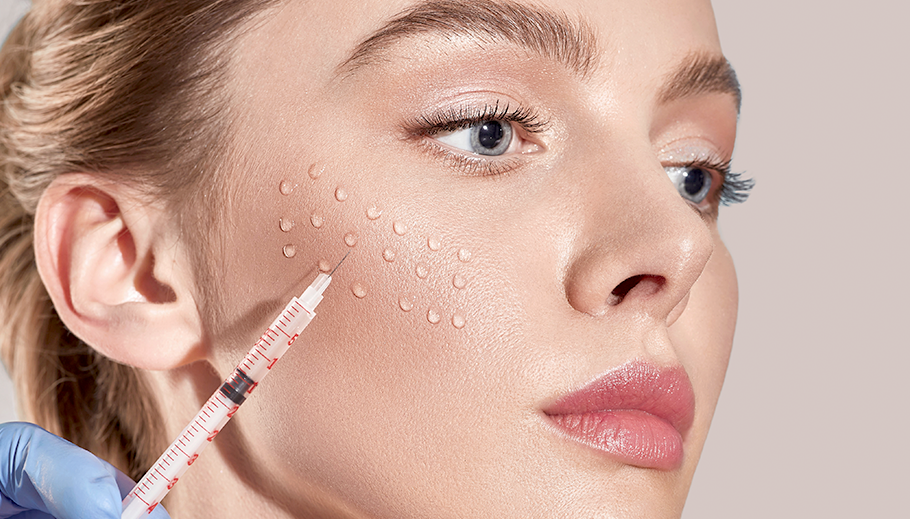
In an anti-aging plan, exosomes usually play a supporting role: they may improve skin surface quality such as texture, dryness and dullness, while lifting devices address laxity and cell-based care supports deeper regeneration. At Gangnam Celliting Clinic, the doctor decides the order and spacing of these steps after examining your skin, age-related changes and travel schedule.
Exosomes fit at the skin-quality layer of an anti-aging plan. Ageing affects several layers at once, and each treatment type targets a different one.
| Layer | Common change | Options that may help |
|---|---|---|
| Skin surface | Dullness, dryness, rough texture | Exosome facial or microneedling |
| Firmness | Laxity, jowls, softer jawline | Ultherapy PRIME, Thermage FLX, Sofwave |
| Volume and collagen | Hollowing, thinning skin | Sculptra, autologous stem cell care |
Because the layers differ, exosomes are rarely the whole answer for an ageing face. They are often used after a lifting session to support recovery, or between larger treatments to keep the skin looking hydrated and even. Learn more in our stem cell anti-aging guide.
These sample plans show how priorities often change with age. They are examples for discussion, not prescriptions; your doctor builds the real plan.
Exosome care may be the main step, addressing early texture changes and dullness, sometimes with a light lifting session.
Lifting usually leads, and exosomes may follow to support recovery and surface quality.
Lifting, collagen stimulation and possibly stem cell care come first; exosomes help maintain skin quality between them.
Our anti-aging treatments for your 40s page shows the full picture for that decade.
There is no single correct interval; the doctor sets maintenance after seeing how your skin responds to the first treatment. Response depends on the delivery method, skin condition, age and lifestyle.
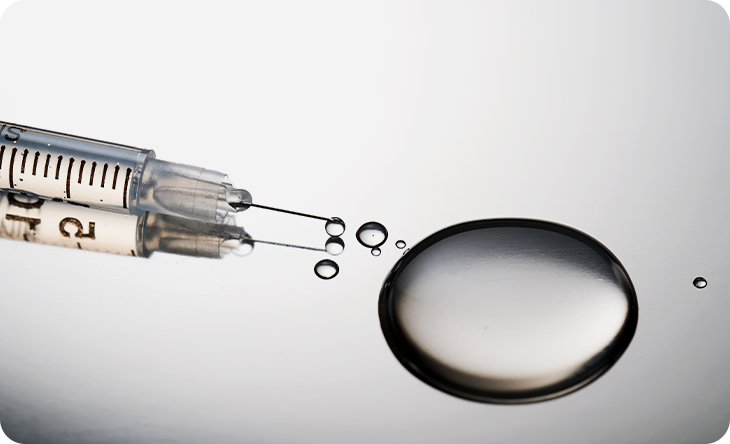
Realistically, exosome care may make skin look smoother, more hydrated and more even over several weeks. It will not turn back sagging, deep folds or volume loss on its own.
Suitability is a medical decision made by your doctor after an in-person consultation and review of your health history.
The doctor assesses surface quality, laxity and volume layer by layer.
You decide together which layer to treat first.
Lifting, if planned, usually comes before exosome support on the same trip.
You receive written aftercare in your language, with simple home skincare advice for the following days.
Photos are reviewed during follow-up to plan maintenance timing.
Monitored sleep sedation, AirNox analgesia, the X-injector or local anesthesia, matched to the procedure.
Named an Advanced Regenerative Medicine Institution by the Ministry of Health and Welfare in June 2026.
Written aftercare in your language, a 24-hour line and a free 3-month follow-up.
Many international patients build their anti-aging plan around regular trips to Korea, for example one visit for lifting and exosome support, then maintenance on a later trip. Allow a few days in Seoul for a layered plan so the doctor can see you after treatment. The free 3-month follow-up continues after you return home, so progress can be reviewed by photos.
Reviewed by Dr. Ho-chan Kim, MD, PhD · Updated October 2026
Usually lifting comes first if sagging is your main concern, with exosomes added to support skin quality and recovery. If your concern is mainly texture and dullness, exosome care may be the starting point. The doctor decides the order after examining you.
They may be. In your 30s, early texture change and dullness are common, and exosome care may support skin quality before larger treatments are needed. Suitability is decided individually.
They can be planned within the same overall program for suitable patients, but they are different treatments. Stem cell care at Celliting uses your own blood-derived cells, while exosomes contain no living cells. The doctor explains whether combining makes sense for you.
It varies. Duration depends on your skin, age, lifestyle and the delivery method used. Most plans include maintenance, and the doctor sets timing after reviewing your first response rather than promising a fixed duration.
Not on their own. Deep folds usually relate to volume loss and laxity, which call for other approaches such as lifting or collagen stimulation. Exosomes may improve surface texture and fine-looking lines as part of a broader plan.
Share your age, concerns and travel dates, and a Celliting doctor can outline where exosomes might fit in your plan.
Medical information on this page is provided by Gangnam Celliting Clinic and reviewed by our medical directors. It is not a substitute for an in-person medical consultation. Individual results vary, and all procedures carry potential risks and side effects that your doctor will explain before treatment.
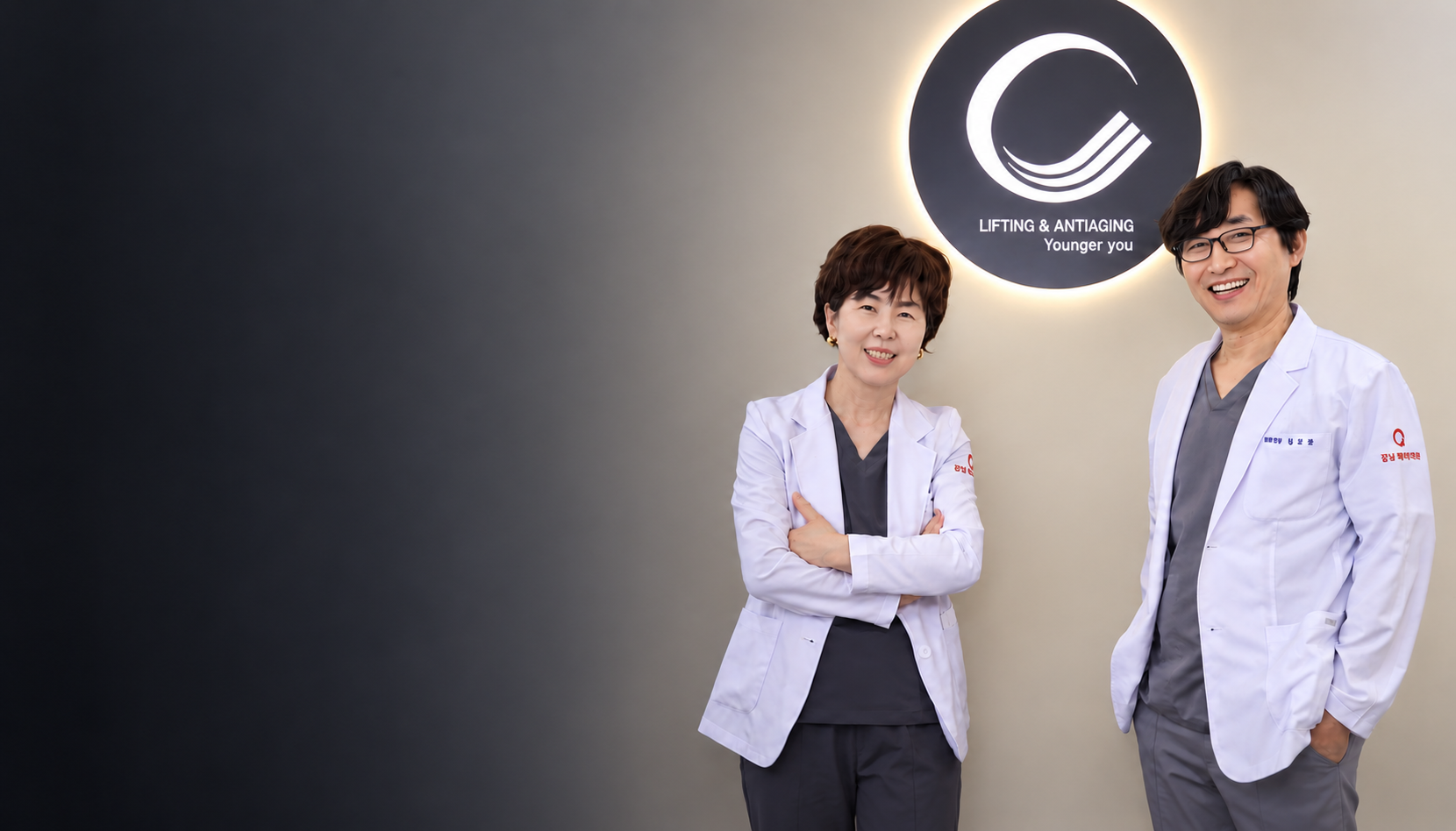
From skin lifting and stem cell treatments to regenerative skin care, our two MD-PhD directors plan every treatment personally. Send us your questions and travel dates.
Everything you need to plan a treatment trip to Seoul




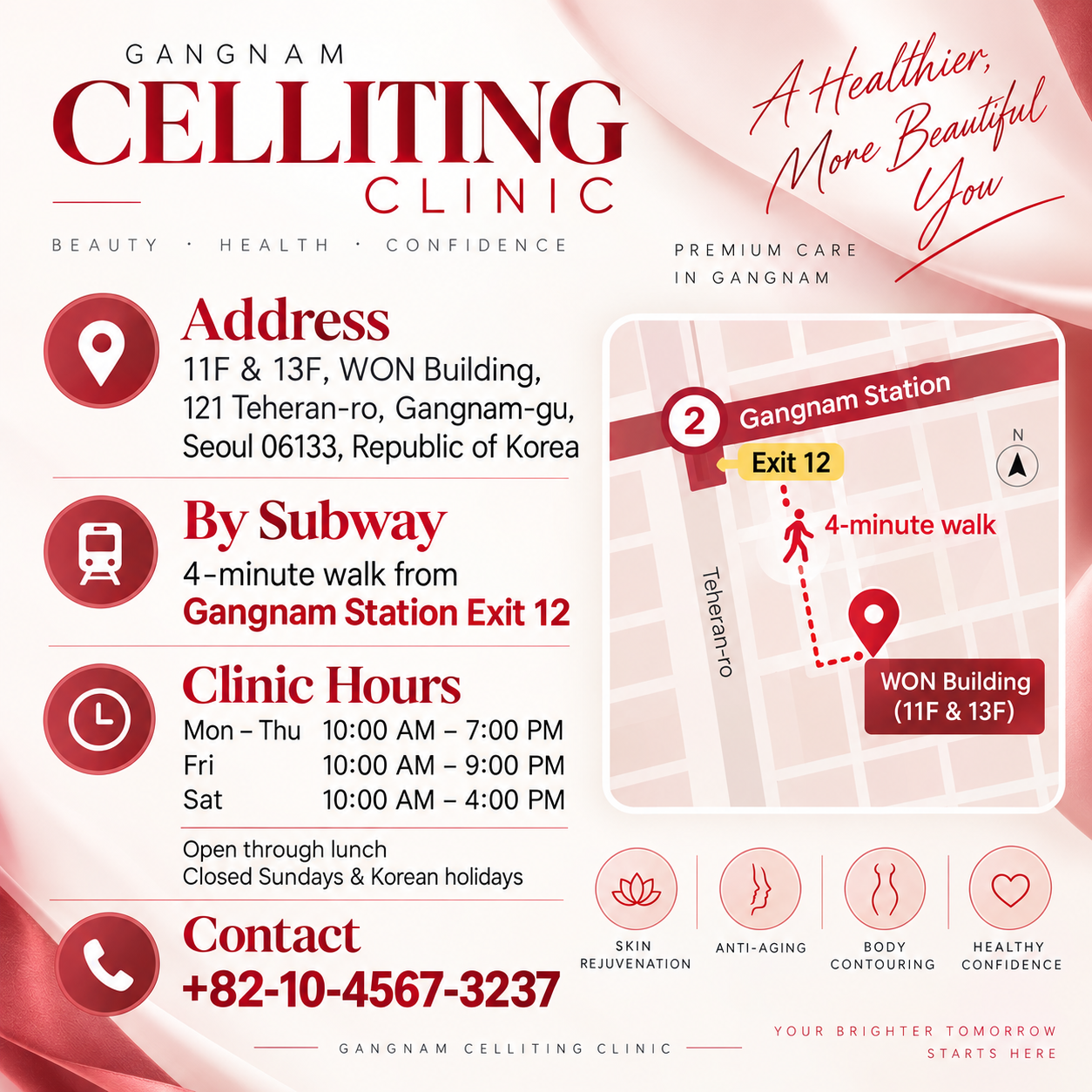
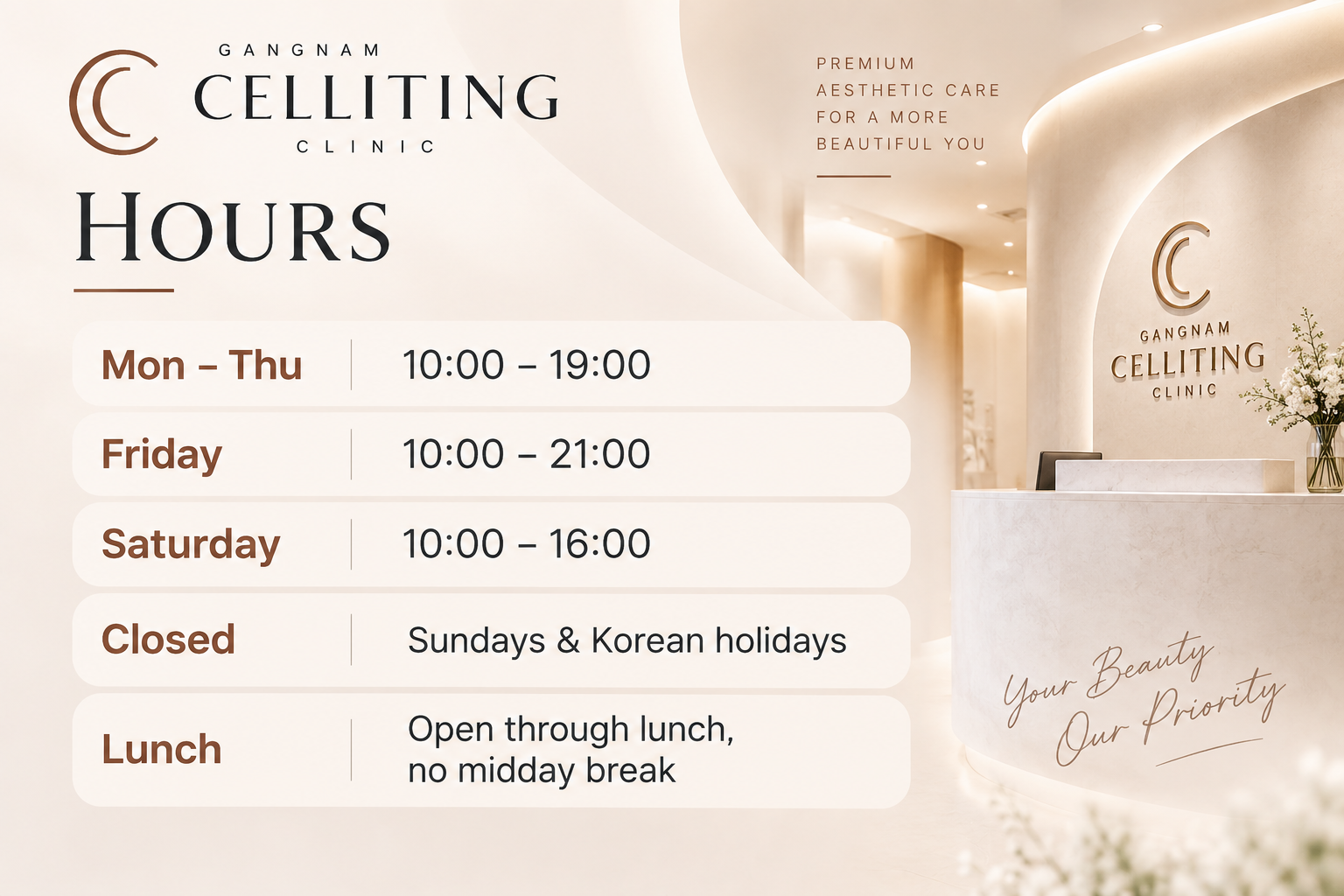
How to find us
WhatsApp :
+82-10-4567-3237
Address : 11F & 13F, WON Building, 121
Teheran-ro, Gangnam-gu, Seoul 06133, Republic of Korea
Gangnam Station, Exit 12